
Good reasons to not kill whales
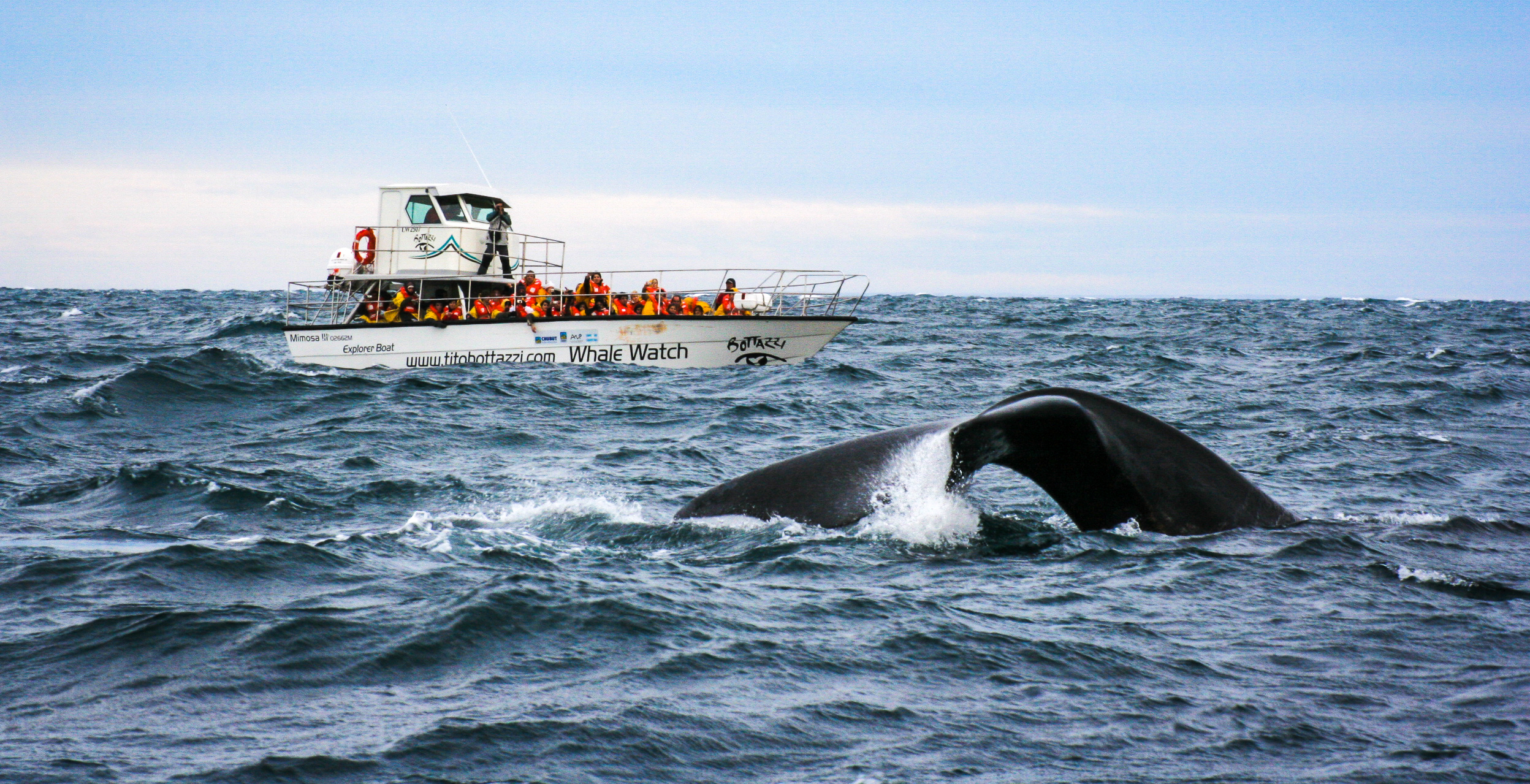
Due to the seafood intake has increased the fishing also get increased rapidly. Intaking that seafood is not a bad thing, of course, they are rich in nutritional values but still, there is a limitation. Because this overfishing results in increasing in endangered species and that affects marine life so badly. Like other fishes, whale hunting is also there which most of them unknown. Hunting whales are not good for the environment and marine creatures because they play a certain important role in maintaining the marine environment, here are a few reasons why we shouldn’t hunt whales;
Carbon absorbers
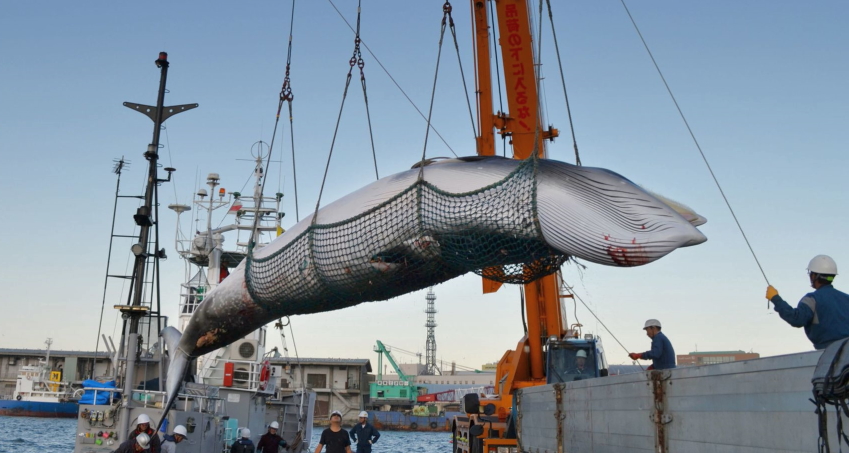
One of those recent biggest issues the whale and other creatures facing is high in carbon in the air. Especially the carbon production is high in marine do you know how they are get equalized it is only because of the whale. Whales used to there in deep but when they need feed they come to the surface of the water while the way they bring the nutrients from the deep sea where the sunlight couldn’t reach for the phytoplankton that requires the sunlight for its nutritional purposes. Even after the whale dies they used to absorb the carbon content of the sea. This is one of those good reasons to not kill whales.
Whale eco-tourism
More than for their values the whale hunting is unacceptable because of their eco-tourism values. Whales not going to be everywhere you can see them only in certain places and to see the whale activities so many tourists gather in that place this is the reason why the whales are economically important. In the middle of the ocean, you can see those whales and dolphins are grouping and jump to certain meters which attracts tourists this is how these whales play an important role in eco-tourism.
Whale meat
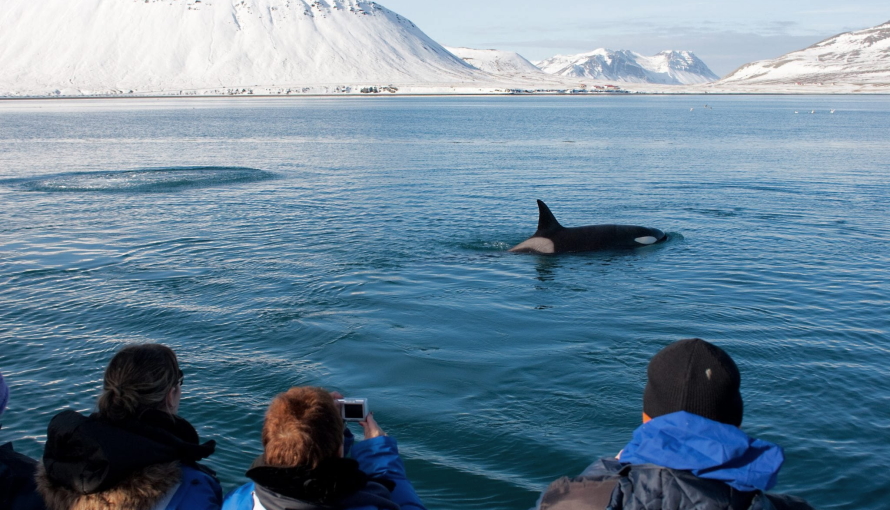
Unlike other seafood, there is no demand or reduction in market demand for the whale’s meat but still the Japanese and some other people used to hunt the whale for eating purposes. More to remember this whale is one of those endangered species even though you cannot do anything in saving them avoid eating those whales.
However, whaling is unacceptably cruel they are contributing their contribution to maintaining the marine environment in this case if they are hunted and extincted the carbon level gets higher and that affects certain creatures of the marine.